













- 1. Understanding the Importance of Safe Ant Control
- 2. Identifying the Ant Problem: Types of Ants and Their Behavior
- 3. Prevention is Key: Effective Strategies to Keep Ants at Bay
- 4. Natural Ant Deterrents: Safe and Non-toxic Methods to Repel Ants
- 5. Homemade Ant Traps: DIY Solutions to Eliminate Ant Infestations
- 6. Essential Oils for Ant Control: Unleashing the Power of Aromatherapy
- 7. Pet and Child-Friendly Ant Baits: Commercial Products to Safely Eradicate Ants
- 8. Maintaining an Ant-Free Environment: Long-term Strategies for Ant Prevention
- FAQ
1. Understanding the Importance of Safe Ant Control
Ants, those bothersome little creatures, always manage to infiltrate our homes, causing a multitude of issues. That being said, the safety and well-being of our treasured pets and loved ones hold paramount importance while we strive to eradicate them. While harsh chemicals and hazardous pesticides may effectively solve the problem, they also pose a threat to our dear family members. Hence, in this article, we will delve into safe and natural methods to bid farewell to these ants without causing harm to our furry companions or little ones. Let us bid adieu to these irritating ants while ensuring the security and well-being of our precious family members!
2. Identifying the Ant Problem: Types of Ants and Their Behavior
2.1 Common Ant Species and Their Characteristics
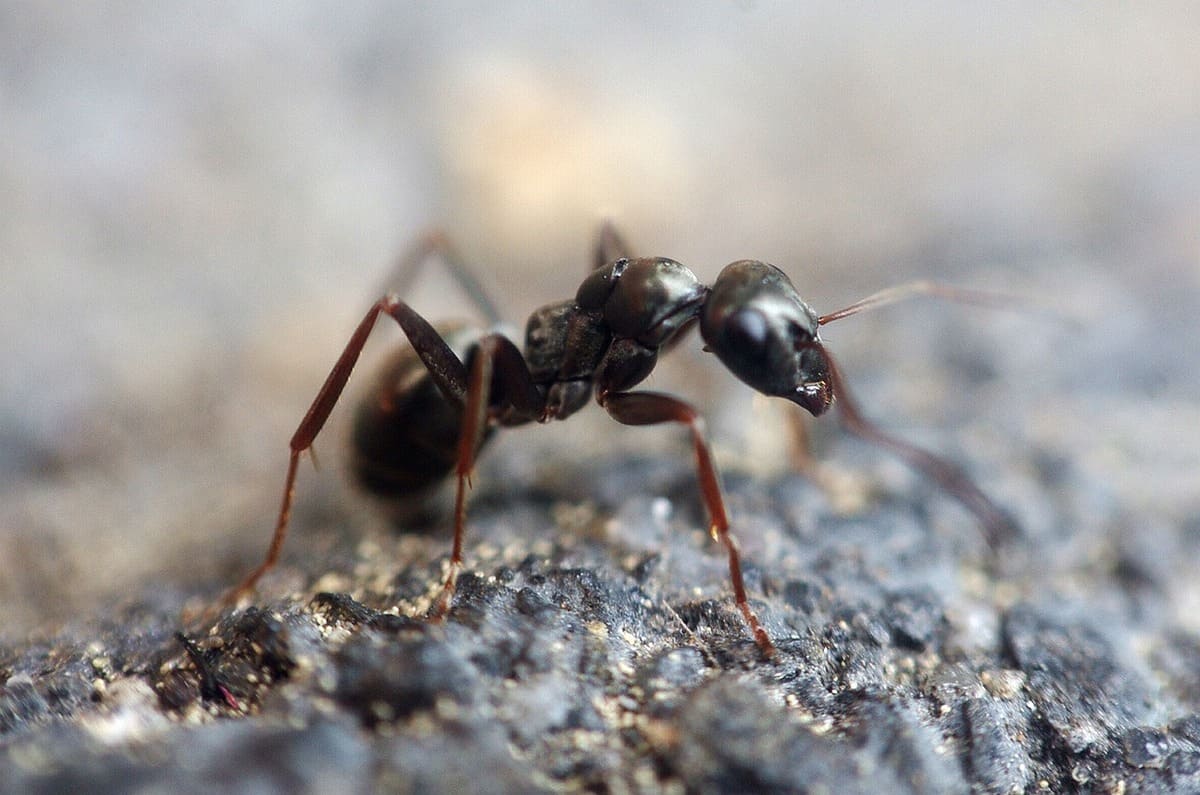
Before we embark on our ant-fighting journey, let’s learn a bit about our opponents. Common ant species that invade our homes include the odorous house ant, carpenter ant, and pavement ant. All ants exhibit distinct features and ways of behaving, however, what they have in common is being unwanted visitors in our homes.
2.2 Ant infestation warning signs
Ant infestations can be spotted through various signs. Look out for long trails of ants marching in a straight line, particularly near windows, doors, or cracks in the walls. Another indication is small piles of dirt or wood shavings, which might suggest the presence of carpenter ants. Don’t forget those pesky ant hills in your yard too! Identifying these signs will help us take prompt action against our tiny invaders.
3. Prevention is Key: Effective Strategies to Keep Ants at Bay
3.1 Keeping a Clean and Orderly Home
Keeping up with cleanliness is the primary means of preventing ant infiltration. Cleaning up spills and crumbs promptly, storing food in airtight containers, and regularly wiping down surfaces will leave those ants with no reason to stick around. Additionally, who wouldnt adore a pristine and organized living space?
3.2 Sealing Entry Points and Repairing Damaged Areas
Ants are masters of infiltration, sneaking through even the tiniest cracks and gaps. Prevent their intrusion by thoroughly inspecting your home for any potential entry points, such as gaps surrounding windows, doors, and pipes. Seal these openings with caulk or weatherstripping, and repair any damaged areas that might provide easy access.
3.3 Removing Attractants and Food Sources
Ants, with their sharp olfactory abilities, are forever searching for sustenance.To deter them, eliminate potential attractants such as open garbage cans, pet food left out overnight, or overripe fruits on the counter. By removing these temptations, you’ll make your home less appealing to our six-legged foes.
4. Natural Ant Deterrents: Safe and Non-toxic Methods to Repel Ants
4.1 Using Vinegar and Water Solutions
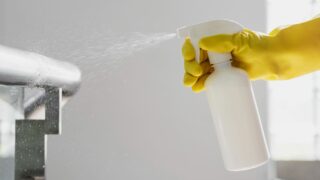
Vinegars use goes beyond salad dressings; it is also effective at repelling ants. Mix equal parts vinegar and water in a spray bottle and spritz it along ant trails, entry points, and countertops.The strong smell will send those ants running in the opposite direction.
4.2 Sprinkling Diatomaceous Earth
Despite its elegant name, diatomaceous earth is a completely safe and natural substance that effectively eliminates ants. Sprinkle a thin layer of diatomaceous earth near entry points or areas where ants are most active. It works by dehydrating the ants, causing them to perish without posing any danger to pets or children
4.3 Citrus Peel Sprays
If you love citrus fruits, ants most likely don’t share your taste. Create a homemade spray by boiling water and steeping citrus peels in it overnight. Filter the mixture and transfer it to a spray bottle. Spray this citrusy concoction near ant trails, windowsills, and other areas where ants frequent. The ants will be repelled by the citrus scent, and your home will smell pleasantly fresh!
By following these safe and natural methods, you can bid farewell to your ant problem while ensuring the well-being of your precious pets and children. Remember, ants may be tiny, but with a dash of wit and some clever techniques, we can conquer them without any harm. Good luck, and may the battle against ants be in your favor!
5. Homemade Ant Traps: DIY Solutions to Eliminate Ant Infestations
Having ants invade your home can cause annoyance, but dont worry! Eliminating them doesnt require dependence on harmful chemicals. By using a few common ingredients you probably already have, you can easily create homemade ant traps that are safe for your beloved pets and children.
5.1 Borax and Sugar Bait
One effective DIY ant trap involves mixing borax with sugar to create a bait that attracts and kills ants. Simply combine equal parts borax and sugar and place small amounts of the mixture near ant trails or entry points. The sweet scent of sugar lures the ants in, while the borax disrupts their digestive systems, ultimately eliminating them.
5.2 Cornmeal Traps
Another homemade ant trap can be made using cornmeal. While ants are attracted to the cornmeal, they are unable to digest it properly. Sprinkle cornmeal near ant-infested areas, and the ants will consume it. Eventually, they will die as they are unable to process the cornmeal, providing an effective and safe way to address the problem.
5.3 Baking Soda and Powdered Sugar Mixture
By combining baking soda with powdered sugar, one can easily create a highly efficient ant trap.Mix equal parts of the two and place the mixture near ant trails or entry points. Attracted by the powdered sugar, the ants fate is sealed when their digestive systems are disrupted by the intervention of baking soda.
6. Essential Oils for Ant Control: Unleashing the Power of Aromatherapy
Not only do essential oils smell amazing, but they can also work wonders as natural ant repellents. Let’s explore two essential oils that can help you keep those pesky ants at bay, without any harmful chemicals.
6.1 Peppermint Oil Spray
Discover the secret to solving ant problems: the powerful aroma of peppermint oil. If you’re tired of dealing with these bothersome pests invading your home, here’s a simple solution: create your own peppermint oil spray. All you require is a spray bottle, water, and around 10-15 drops of peppermint oil. Mix them, shake thoroughly, and presto! You now possess a potent ant deterrent. Now comes the thrilling part. Grab that spray bottle and commence spraying the mixture along your windowsills, near entry points, and anywhere you suspect those cunning ants might appear. The invigorating scent of peppermint will work its magic, keeping those unwelcome visitors at bay. Bid farewell to ant infestations and welcome a home that smells delightfully minty. Give this peppermint oil spray a try and let the power of nature assume control.
6.2 Tea Tree Oil Barrier
Another essential oil that ants find repulsive is tea tree oil. Create a tea tree oil barrier by mixing 10-15 drops of tea tree oil with water in a spray bottle. Spray this solution around baseboards, entryways, and anywhere you suspect ants may be entering. The strong scent of tea tree oil will discourage ants from crossing the barrier.
7. Pet and Child-Friendly Ant Baits: Commercial Products to Safely Eradicate Ants
If you like ant baits that are already prepared, there are multiple options in the market that are safe for both pets and children. These products are designed to attract ants while posing no harm to your furry friends or little ones.
7.1 Natural Ant Bait Stations
Natural ant bait stations contain a sweet solution that lures ants in. When the ants gobble up the bait, they carry it back to their colony, wiping out the whole ant gang. Make sure to choose brands that use harmless ingredients, so you can use them without worrying about your furry friends or little ones getting hurt.
7.2 Gel Baits
Gel baits operate akin to bait stations, with the distinction being that instead of employing a liquid solution, they are available as gel. Apply small dots of gel along ant trails or near entry points, and let the ants consume it. They will carry the gel back to the colony, effectively eliminating the infestation. As with any product, be sure to choose a gel bait that is safe for pets and children.
7.3 Granular Ant Baits
Granular ant baits consist of small granules that ants are attracted to. Scatter these baits near ant hills or areas where ants are prominent. The ants will take the bait back to the colony, leading to their demise. Look for granular baits that are specifically labeled as pet and child-friendly.
8. Maintaining an Ant-Free Environment: Long-term Strategies for Ant Prevention
When tackling an issue with ants infiltrating, it is imperative to execute methods that hinder potential future invasions. To sustain an environment free from ants, consider these long-term strategies.
8.1 Regular Cleaning and Maintenance Practices
Keep your home clean and tidy to discourage ants from setting up camp. Regularly sweep and mop floors, wipe down countertops, and promptly clean up any food spills. Store food in airtight containers and keep trash sealed tightly. By depriving ants of easy access to food, you’ll make your home less appealing to them.
8.2 Landscaping and Outdoor Ant Control
The prevention of ant infestations can be achieved by upkeeping a tidy and neatly kept outdoor space.Trim back vegetation that may be touching the exterior walls of your home, as ants can use it as a bridge to gain entry. Keep trees and shrubs pruned, and remove any decaying wood or debris that may attract ants. Consider placing ant barriers or natural repellents around your garden to keep ants at bay.
You can safely and successfully get rid of ants without endangering your cherished pets or children by using these techniques, making your own ant traps, combining essential oils, or using child- and pet-friendly ant baits. Get rid of those bothersome creatures and take back your area!In conclusion, you can attain a pest-free house without endangering your children or pets by adopting safe and non-toxic methods to get rid of ants. Providing a tranquil, ant-free environment while ensuring the security of your loved ones.Keep in mind to prioritize prevention by maintaining cleanliness, sealing entryways, and eliminating attractants. Make use of organic deterrents like vinegar, diatomaceous earth, and aromatic oils. As a final resort, take into account using pet- and kid-friendly commercial items. You may enjoy a calm and ant-free home while keeping your loved ones safe by adopting these tactics into your ant management routine and engaging in long-term preventative actions.
FAQ
1. Are the natural deterrents mentioned safe to use around pets and children?
Indeed, the herbal deterrents mentioned on this article, which include vinegar, diatomaceous earth, and vital oils, are generally innocent while used as instructed, making them appropriate for families with pets and children. Nevertheless, it’s far beneficial to workout warning and make certain that those materials are inaccessible to youngsters and animals.
2. Can commercial ant baits be harmful to pets or children?
Ensure the safety of your beloved pets and children by using commercial ant baits that are specially formulated to be harmless when used correctly. These baits contain ingredients with minimal toxicity levels. Take a moment to thoroughly review these instructions for utmost safety!
3. Is it possible to completely eliminate ants from my home?
While it can be challenging to completely eliminate ants from your home, with consistent efforts and a combination of preventative measures, natural deterrents, and targeted treatments, you can significantly reduce their presence. It is important to remember that ants are highly adaptable creatures, and occasional sightings may still occur. The goal is to keep their population under control and prevent infestations.
4. How long does it take to see results when using natural ant control methods?
The time it takes to observe results when employing natural techniques to manage ants varies depending on the severity of the ant issue and the effectiveness of the methods. If the infestation is minor, a reduction in ant activity may be noticeable within a few days. However, if the ants have heavily invaded your space, it could take several weeks or more to witness significant improvements. Patience and commitment to your chosen methods are key to successfully eliminating these bothersome ants.